Why SIPs and Not Timber Frame?
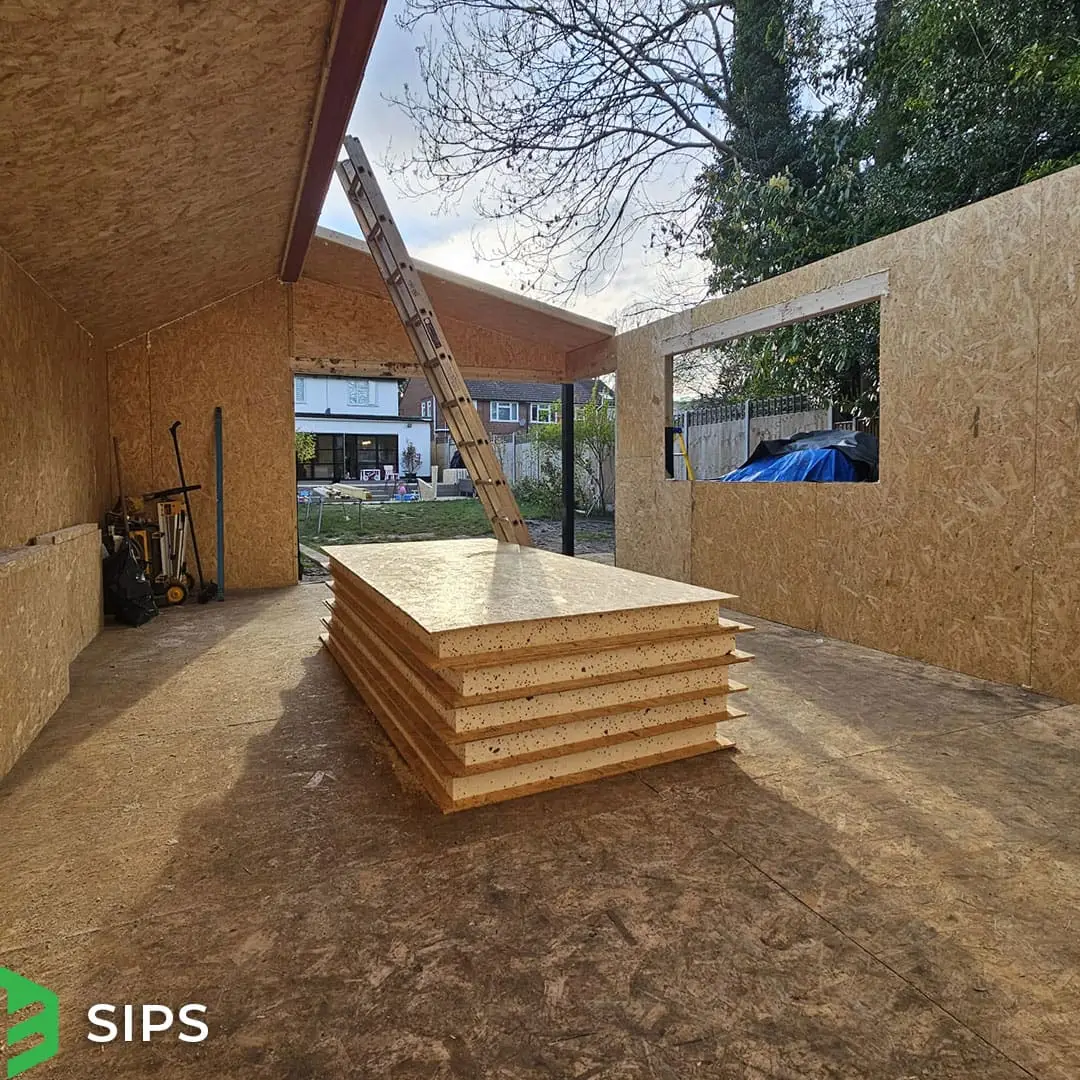
A Structural Insulated Panel is a rigid foam insulation core bonded between two structural boards — one component that is simultaneously structure, insulation and vapour barrier. Timber frame buildings need separate layers for each of these functions, which introduces gaps, thermal bridges and long-term performance risks. We use SIPs for every element — floor, walls and roof.
A Flat, Warm, Moisture-Resistant Base
The floor is constructed from SIPs panels laid directly onto the ground screw framework, creating a perfectly level, structurally rigid platform before anything else goes up.
Because the insulation is integral to the panel — not fitted separately — there are no cold bridges, no sagging mineral wool and no gaps for moisture to exploit over time. The floor stays warm in winter and doesn't flex underfoot.


Strong, Quiet and Thermally Efficient
SIPs wall panels are lifted into position and secured to the floor platform. Vertical timber battens are fixed to the exterior face of the panels, creating a ventilated cavity behind the cladding and a channel for services.
Internally, plasterboard is bonded directly to the panel face, followed by a skim plaster finish. Because the panel is the structural element, there are no internal stud walls consuming floor area — your room dimensions are your usable dimensions.
Properly Insulated. Properly Guaranteed.
The roof uses SIPs panels of at least 5 inches thickness — substantially more insulation than most garden room builders specify. A gentle fall is built in to shed rainwater, and the entire deck is covered with EPDM rubber membrane or metal panel roofing.
Both systems carry a 20-year guarantee as standard. We never use felt — it's the most common failure point in cheap garden rooms, cracking and lifting within a few years. We won't fit it.

SIPs vs Timber Frame
Want to See a SIPs Build in Person?
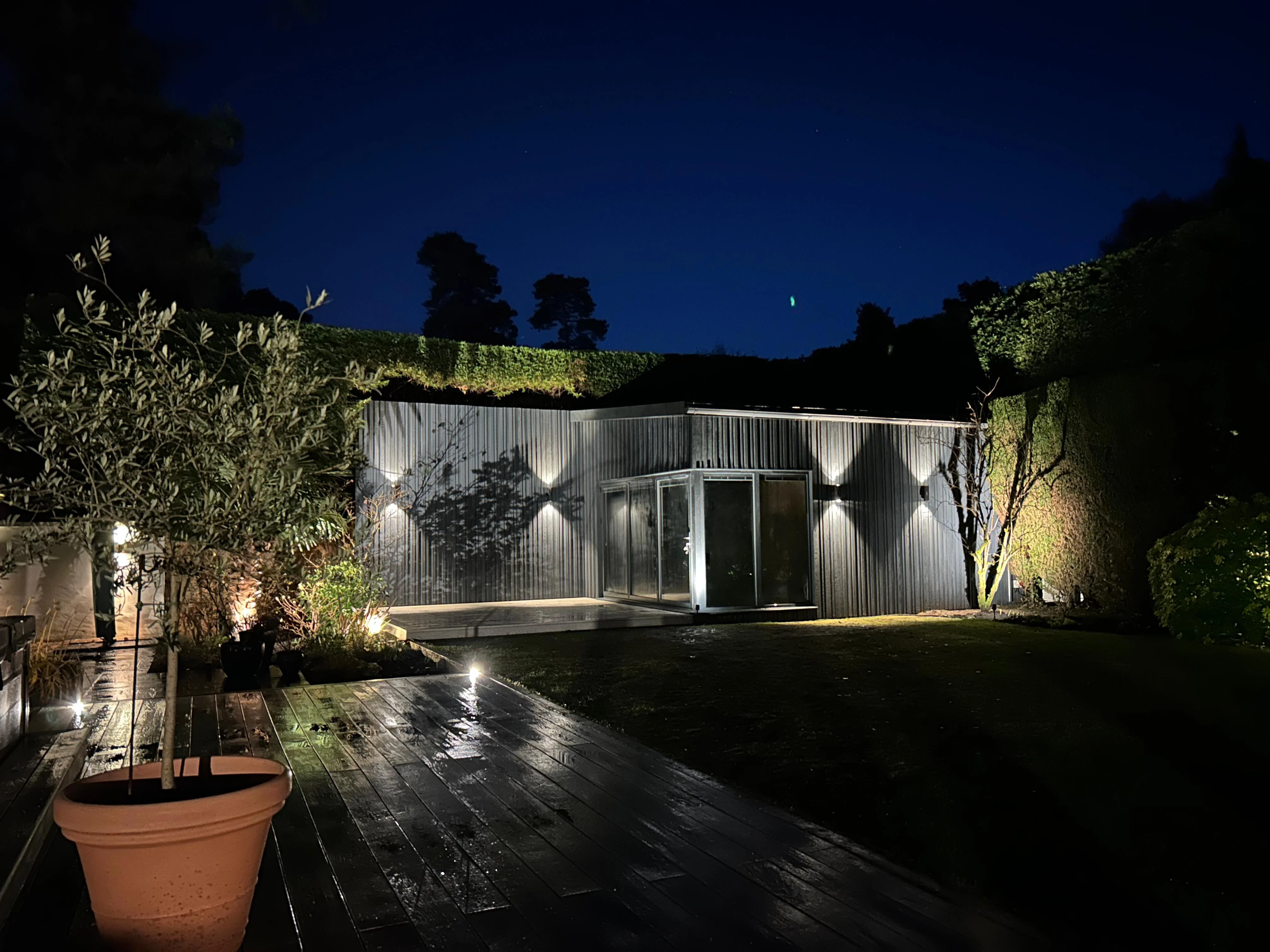
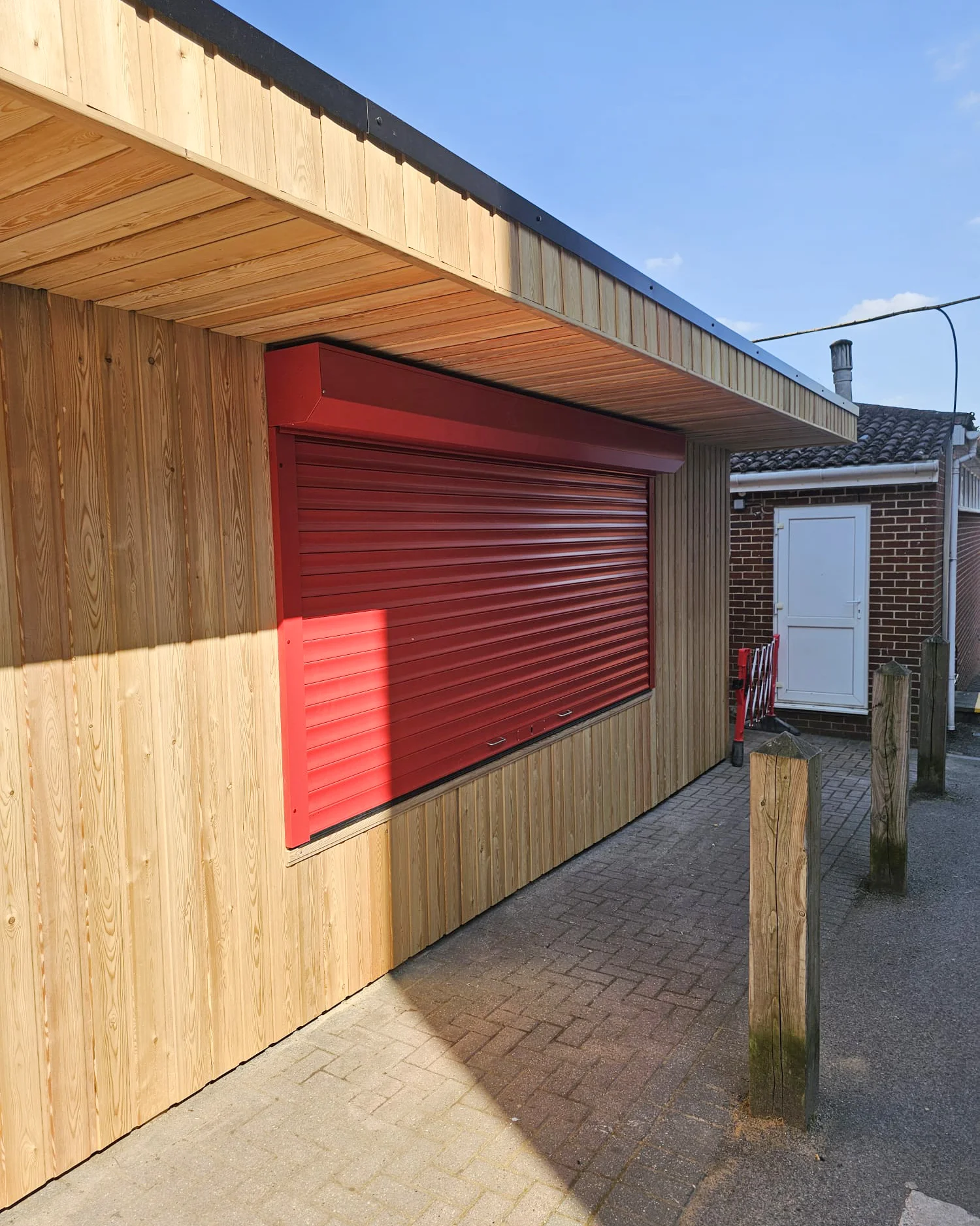
Visit our showroom in Lyne, Surrey — walk around a completed garden room, touch the materials and ask us anything.